



Grim Reminder: A Grim Historian is a reader-supported newsletter and depends on your 5$ donations to keep the most depressing politics and history in your inbox. Please consider becoming a paid subscriber or sharing with someone who loves misery.
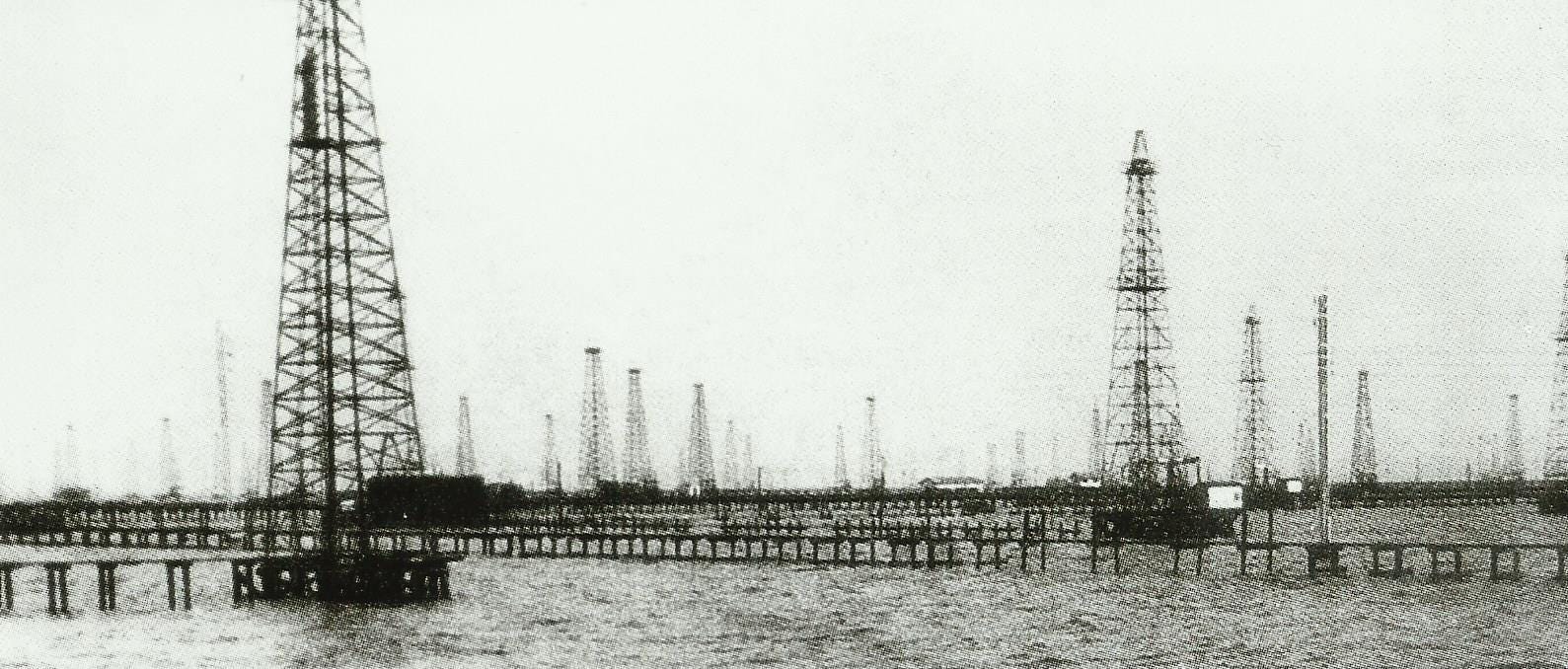
Donald Trump has promised Americans that Venezuela is about to rain oil. On August 28, Trump announced what he called “THE BIGGEST OIL DEAL IN WORLD HISTORY,” involving 17 Venezuelan fields and more than 65 billion barrels of recoverable crude. The proposed deal promises that the fields will produce 1.5 million barrels a day and attract nearly $100 billion in investment.
And you, dear everyday American, will see that windfall at the pumps.
Trump is right. There is certainly plenty of oil. Venezuela has more proven reserves than any country on Earth.
The difficulty begins shortly after that sentence.
Because Venezuela has been trying to get rich from oil for roughly a century. They could perhaps offer some notes.
Let’s start with physics. Much of Venezuela’s famous Orinoco crude is extra-heavy, which is the petroleum equivalent of trying to drink cold molasses through a cocktail straw. It needs lighter hydrocarbons mixed into it so it will move, specialized equipment to process it, pipelines that work, refineries that can handle it, electricity that stays on, and several billion dollars left over for whatever broke while you were reading this paragraph.
Then there is Venezuela itself. Trump wants private oil companies to spend tens of billions of dollars rebuilding an industry that has endured nationalizations, sanctions, collapsing infrastructure, political purges, corruption, unpaid debts, and governments whose interpretation of a contract has occasionally changed after the company bought the drilling equipment.
Naturally, oil executives reacted to Trump’s oil bonanza with about as much enthusiasm as Melania at a state dinner. When ExxonMobil CEO Darren Woods met with Trump in January, he reminded the president that Exxon has already had its Venezuelan assets taken twice. He even described the country, under its existing legal conditions, as “uninvestable.”
ConocoPhillips, another veteran of Venezuela’s nationalization years, has similar reasons to remember where it left its wallet.
Chevron is less wary. They agreed to a $7 billion Venezuela expansion this week with plans to roughly double its Venezuelan output to 600,000 bpd within five years. Eni and others are also moving.
Oil executives’ reluctance presents a small problem for the promise of cheap gas. Trump can announce 65 billion barrels. But he cannot executive-order them into your Camry.
However, the problem isn’t merely geological. Because when it comes to oil money, the politics get stickier than the petroleum. To understand that part, we need to talk about the strange thing oil does to countries, and a political tradition Americans may find uncomfortably familiar.
But first, your gas bill has some history homework…
The trouble with finding buried treasure
Economists call it the resource curse, which sounds like the plot of an Indiana Jones movie where Harrison Ford opens the wrong tomb and discovers OPEC. The principle is less supernatural.
A country discovers that God, plate tectonics, or some long-dead swamp has left it sitting on an obscene amount of something valuable — oil, gas, diamonds, coal, copper…pick your shiny thing. Everyone celebrates because obviously the nation is about to become fat and rich.
Sometimes it does.
And sometimes the villionaires begin fighting over who gets the ducats before anyone bothers building the country for the little guy.
Oil is particularly good at causing trouble because the state can collect astonishing revenues without first creating an astonishing economy. A country does not need millions of prosperous taxpayers to sell crude abroad. It needs wells, equipment, technical expertise, and somebody willing to buy the stuff.
No taxes? Sounds great, right? Hold that thought.
Oil money can produce what political scientists call a rentier state — instead of the government depending primarily on citizens for taxes, it gets a large share of its money from selling a resource.
The distinction sounds academic until you consider the political bargain underneath it. If I need your taxes, I have an incentive to keep you productive, reasonably prosperous, and sufficiently content that you do not arrive at the palace with a makeshift guillotine.
If an oil well is throwing dollars at me, our relationship can become what my Italian forebears call…flexible.
The state can hand out subsidies, contracts, jobs, and favors. Politicians can buy loyalty. Friends can become mysteriously gifted businessmen. Enemies can discover that the government is less interested in their opinions than it used to be.
The curse is not the oil. The curse is the oil’s gatekeeper.
And Venezuela has spent a hundred years trying different gatekeepers. At various points, ordinary Venezuelans have been handed a Morton’s fork — a choice in which either path leads somewhere crappy.
Well, by now, Venezuela has an entire shit-eating silverware drawer.
Venezuela Saudita
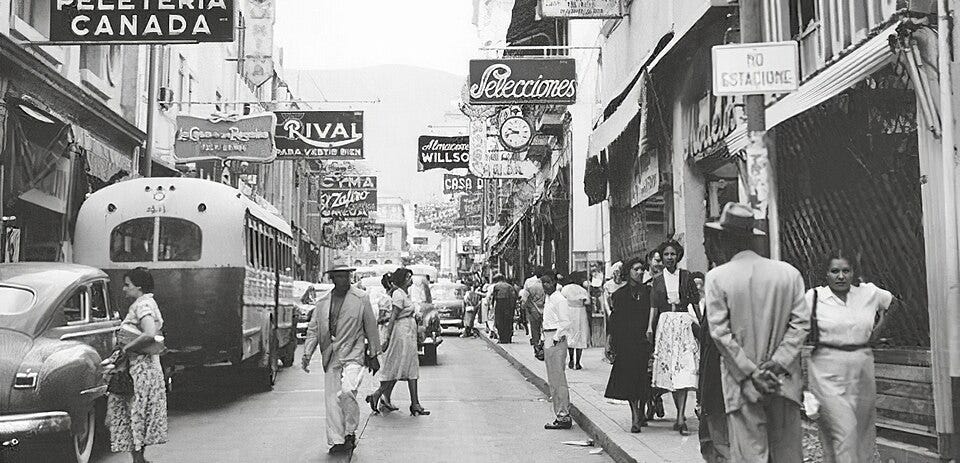
By 1950, petroleum was already providing roughly 95 percent of Venezuela’s foreign exchange and 72 percent of government revenue. American officials understood perfectly well that Venezuelans resented foreign control of the resource beneath their own feet. Still, by the early 1950s, U.S. interests controlled two-thirds of Venezuelan oil production.
At the time, Washington’s preferred Venezuelan partner was Marcos Pérez Jiménez, who had many desirable Cold War qualifications. He was anti-communist. He welcomed foreign investment. And most importantly, he cooperated. Sort of.
There was also the unfortunate business about him being a dictator. On January 23, 1958, Venezuelans booted him.
One begins to sense a theme.
But I would leash that cynicism. Because then Venezuela did something genuinely impressive that should remind us how humans can cooperate when we stay beneath the asshole threshold.
By 1958, Venezuela had built a durable democracy.

It wasn’t perfect. No democracy ever is. But the major political parties constructed the Punto Fijo system and agreed to respect elections. They even managed to maintain civilian government while military coups were spreading around Latin America like a regional subscription service.
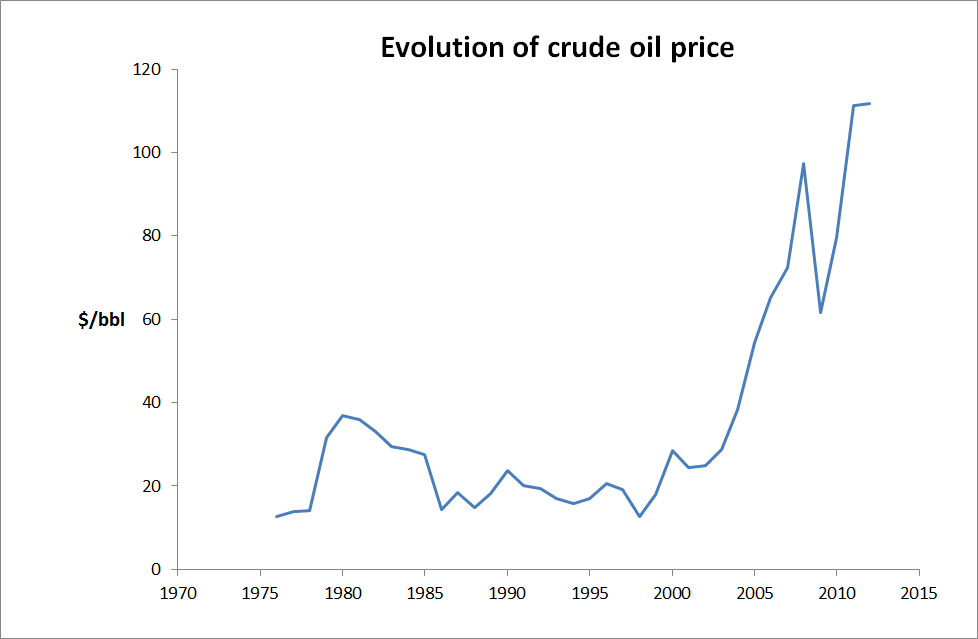
Then the 1970s arrived, and oil prices went berserk. Venezuela became so flush with petroleum money that the era acquired a nickname — Venezuela Saudita — Saudi Venezuela.
During this time, Venezuelans became famous abroad as enthusiastic shoppers. The joke was “Está barato, dame dos” — it’s cheap, give me two. Two televisions. Two refrigerators. Two whatever-you’ve-got. Miami merchants learned to recognize Venezuelan spending power the way casinos recognize a whale. Contemporary accounts described fancy cars on wide highways, stores overflowing with imports and weekend flights packed with Venezuelans going north to shop.
And to be fair, oil wealth really did transform the country. Roads appeared, schools expanded, universities grew, public employment expanded, while electricity and running water reached more households. Infrastructure rose out of the ground with the sort of speed that makes a country believe history has finally decided to be nice.
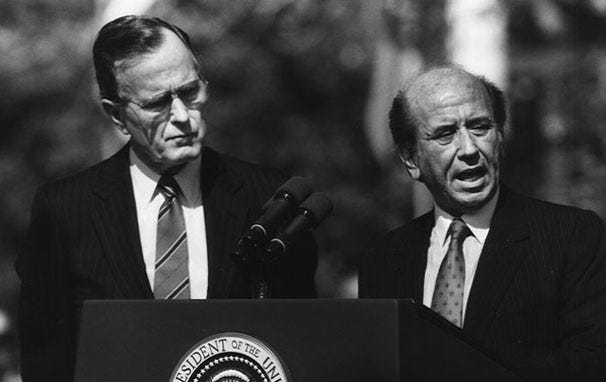
President Carlos Andrés Pérez — CAP to his people — nationalized petroleum in 1976. (Nationalizing oil means a government takes ownership of a country’s oil production, infrastructure, and resources, removing them from private or foreign corporate control.)
In other words, the oil belonged to Venezuela.
Excellent. Problem solved. Everyone breaks out the cuatro.
All that remained was for petroleum prices to remain high forever, politicians to spend responsibly, bureaucracies to remain efficient, and humans to resist their natural inclination for unbridled greed.
You probably know where this story is headed.

Oil prices began sliding in the early 1980s just as Venezuela discovered that it had spent, borrowed, subsidized, and imported beyond its means. By 1983, capital was fleeing, and the debt was coming due. Then the bolívar suffered a spectacular devaluation known as Black Friday.
Venezuelans who once enjoyed abundance were now living through austerity, inflation, and declining purchasing power. The famous “give me two” country was now learning to make one last for an awfully long time.
CAP had left office in 1979, after one term, while two other presidents enjoyed the increasingly thankless task of discovering how much of Saudi Venezuela had been purchased on future oil prices.
And then Carlos Andrés Pérez came back.
Daddy’s home
In 1988, CAP ran for president again. This time, he basked in the nostalgia of his first oil-soaked term. His campaign barely needed an economic platform. He was the platform. Here was the vigorous old statesman from the glorious days, the man voters associated with scholarships, development projects, and Saudi Venezuela.
CAP promised to make Venezuela great again. He won easily.
Daddy was home.
Side note: If that phrase has acquired an unpleasantly familiar American ring, blame Tucker Carlson, who in 2024 told a Trump rally that “Dad comes home” to punish the disobedient children, after which the MAGAmuffins began chanting like automatons “Daddy’s home. Daddy’s home.” History does not repeat itself, but apparently its political consultants share a Dropbox.
Anyway, the Venezuelan version lasted approximately until CAP opened the books. Let’s just say there was no second Saudi Venezuela.
Pérez had spent the campaign attacking the International Monetary Fund. Now he needed the International Monetary Fund. Oops.
So his government embarked on sweeping economic reforms — subsidies were reduced, and price controls loosened. Predictably, gas prices rose, and public transportation fares followed.
Then on February 27, 1989, Venezuela exploded in waves of protests, riots, and looting referred to as the Caracazo. The government sent in the military. Hundreds were killed, possibly more. We will never know because executed civilians are the kind of statistic a government likes to omit.
The political meaning was considerably easier to count. Here was one of the richest oil countries on Earth. Its people were getting poorer while its politicians got more corrupt. And when ordinary Venezuelans revolted against the bill, their democratic government answered with soldiers. Rinse and repeat.
However, somewhere in the Venezuelan military, a talkative lieutenant colonel with a proclivity for boisterous singing believed history had special plans for him.
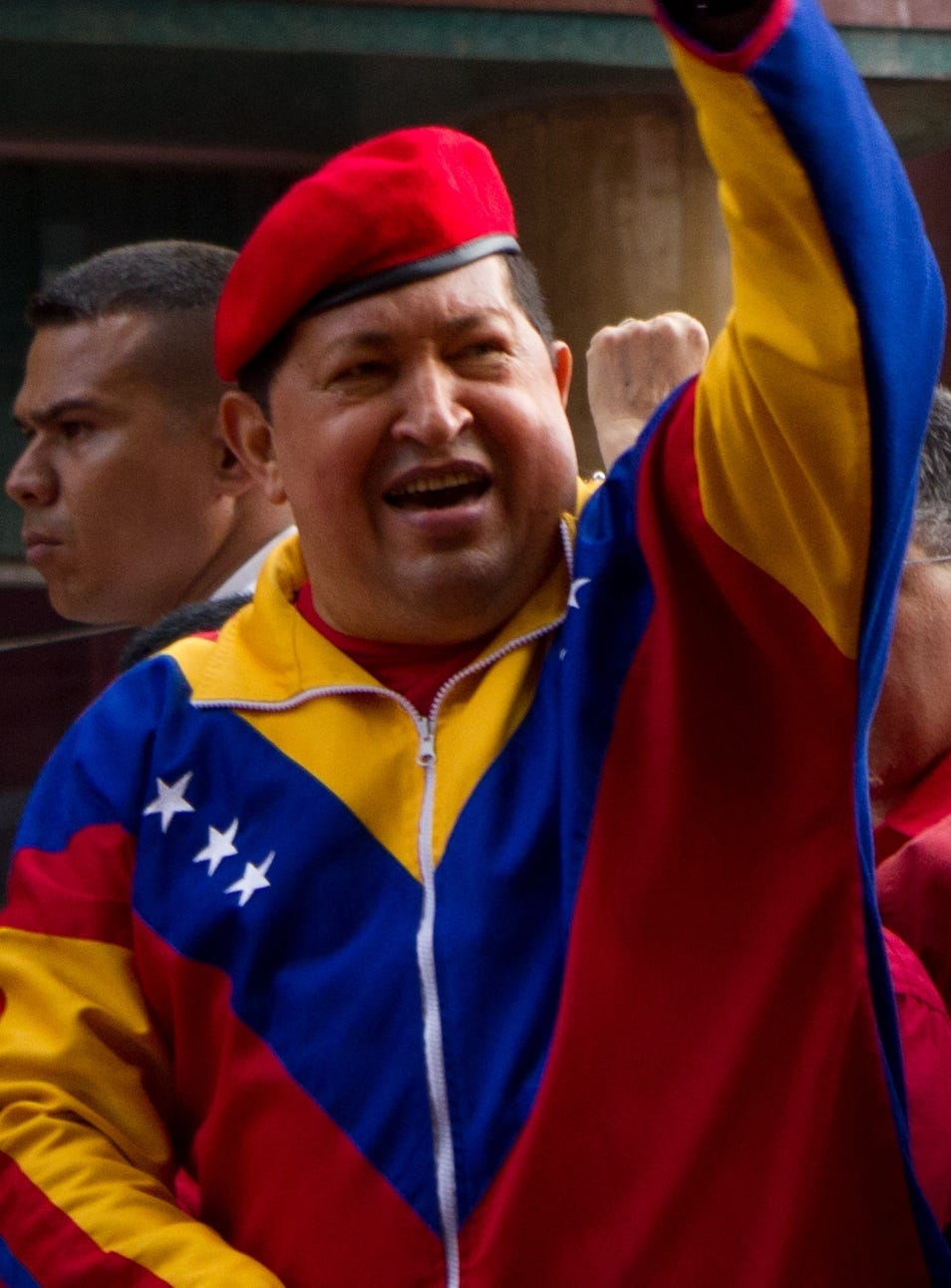
The boy who wanted the major leagues
Hugo Chávez had not originally planned to become Hugo Chávez. His first ambition was baseball.
He grew up poor in Sabaneta, on Venezuela’s western plains, where he and his older brother were largely raised by their grandmother, Rosa Inés. The house had a dirt floor and no running water, but it had fruit trees, stories, and apparently an excellent little confectionery operation.
Rosa Inés made arañas — “spiders” — strips of papaya cooked into sugary sweets. Young Hugo sold them around town to help the household. He would later tell these stories endlessly…and I mean, endlessly. Grandma Rosa, the fruit trees, the dirt floor, the local characters, the old battles she described so vividly that he said he could almost feel the cavalry’s dust. It was a good yarn.
It was especially a good yarn for Hugo Chávez, who knew how to build politics out of stories.
Chávez loved baseball and dreamed of becoming a major-league pitcher. The military academy in Caracas had a good baseball program, which offered a poor provincial kid both an education and a possible road to professional ball.
So Chávez joined up.
This would prove an unfortunate scouting decision for several future Venezuelan governments.
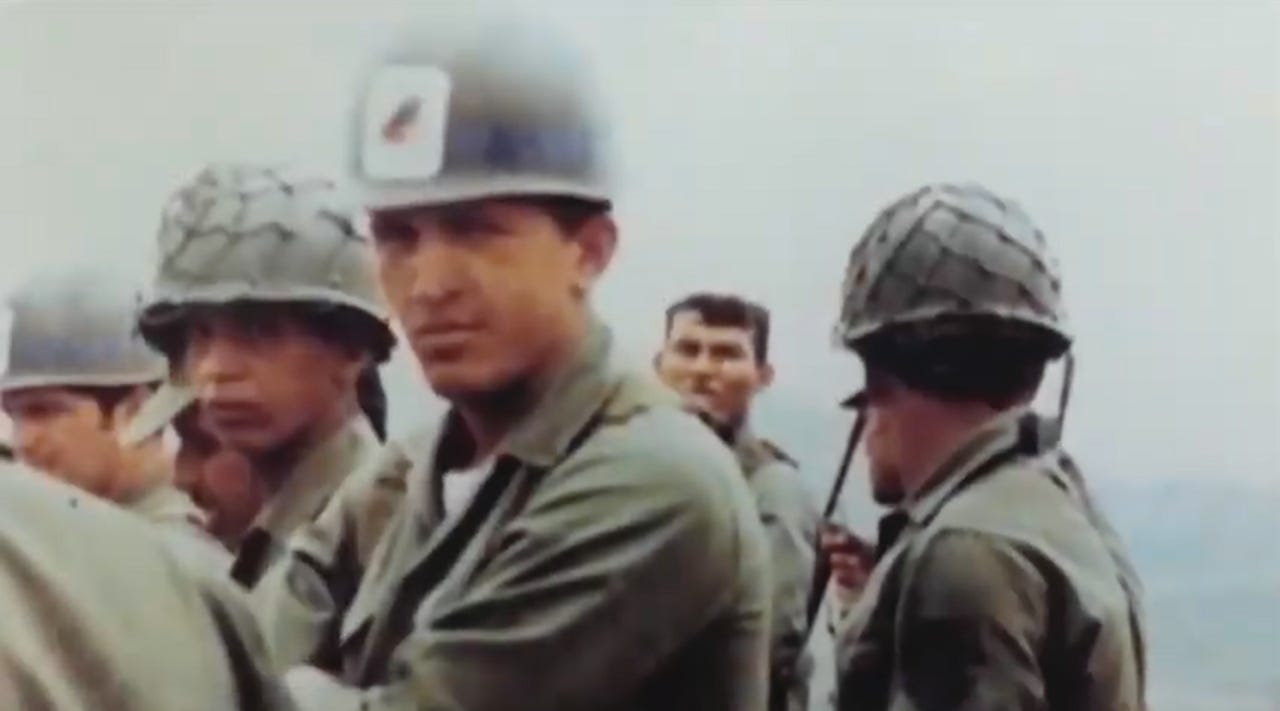

Chávez discovered that he loved military life even more than baseball. He had found another calling. Chávez became obsessed with Venezuelan history, particularly Simón Bolívar and nineteenth-century populist general Ezequiel Zamora. He developed the conviction — not uncommon among young men who spend a great deal of time reading about national liberators — that Venezuela needed another national liberator.
Then came the Caracazo.
On February 4, 1992, wearing his signature red beret, Chávez led an attempted coup against Pérez.
It failed.
The rebels did not capture the president. Chávez surrendered.
Normally, “failed military coup” is where a political biography begins quietly backing toward the exit. But the Venezuelan authorities made one fatal mistake — they allowed Chávez to appear on national television. In an inspiring speech, Chávez accepted responsibility for the failed coup and told the remaining rebels to stand down, as required.
But he also said the movement had failed in its objectives “por ahora” — for now. In other words, we lost the battle but not the war. Let’s be patient.
Then he disappeared into prison. Cue the martyrdom theme song. Venezuelans would not forget their hero with his trademark red beret.
Flash forward to 1993. Pérez is impeached in a corruption scandal. In 1994, Chávez received a pardon, exchanged military rebellion for electoral rebellion, and began traveling Venezuela with one beautifully simple message:
You live in a country rich with oil. Yet, you are poor because the people running the country stole your share. The old parties of the deep state failed you. The elites failed you. Foreign interests ripped us off.
I will put Venezuela first and give the country back to you.
A considerable amount of this message worked because a considerable amount of the grievance was true.
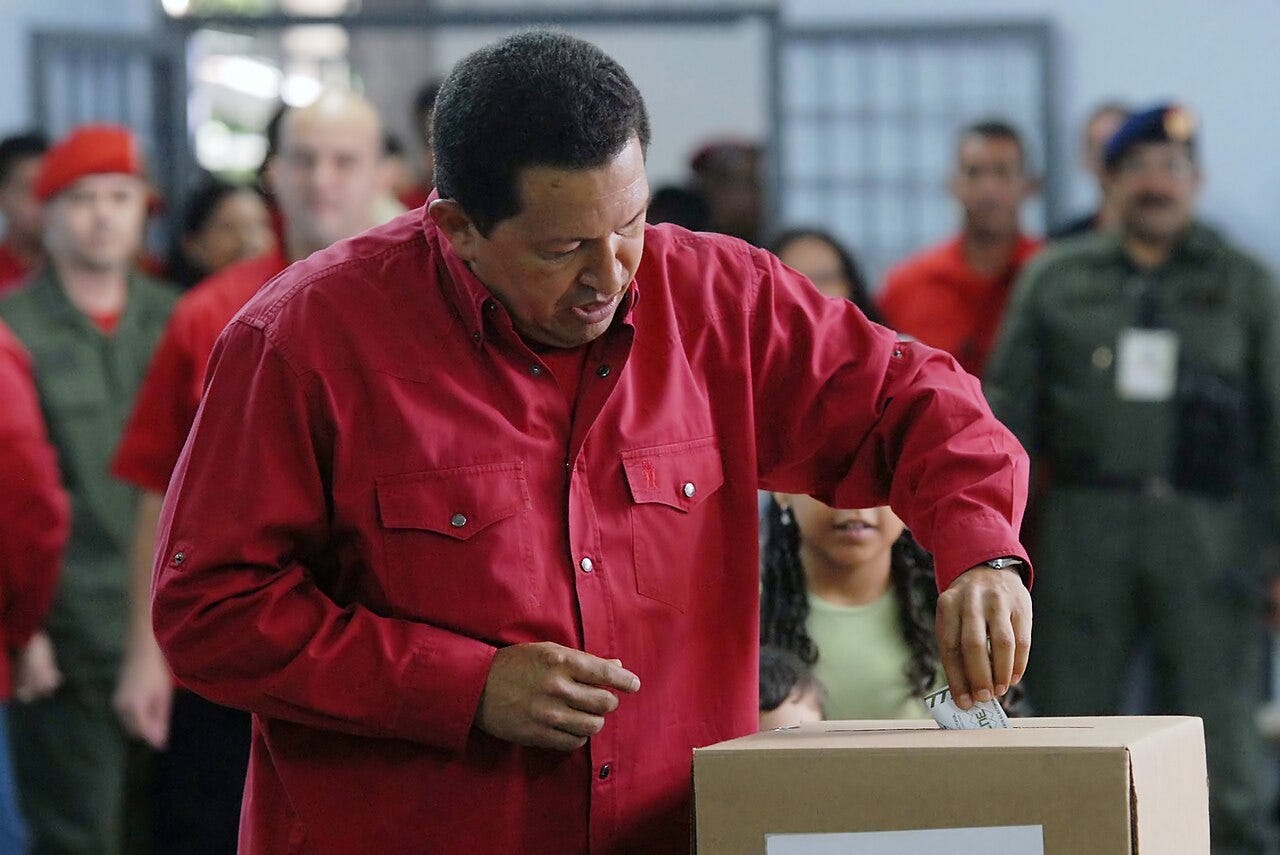
Later came the Chávez red shirts, red caps, and eventually an entire political movement drenched in revolutionary scarlet. (Americans may recognize the historical rhyme. Chávez took a cheap piece of red headwear, attached it to a political identity, and allowed supporters to do the rest.)
In 1998, Venezuelans elected Hugo Chávez president. The gate had a new keeper. And, good Lord, did he enjoy the job.
The Hugo Chávez Show
I need readers to understand that in the weeks I spent researching this piece, I thoroughly enjoyed watching Hugo Chávez’s TV performances. I mean, the guy tells great stories AND can sing.
His weekly program Aló Presidente began as a call-in radio show and became something closer to Meet the Press crossed with a revival meeting, a cabinet meeting, a telethon, a family cookout, and whatever happened to be wandering through Chávez’s head that Sunday.
It might last five to…(gulp) eight hours. There was no dependable ending because Hugo Chávez did not believe the clock outranked Hugo Chávez.
He sang folk songs, quoted poetry, and told tearjerking stories about his grandmother. He reminisced about baseball, pondered Bolívar, dissed enemies, and told wry jokes. He shifted from sentimental to furious and back again. Five hours into a broadcast, he might still be telling you about socialism, Grandma Rosa, a horse, Fidel, the CIA, and somebody’s new chicken cooperative.
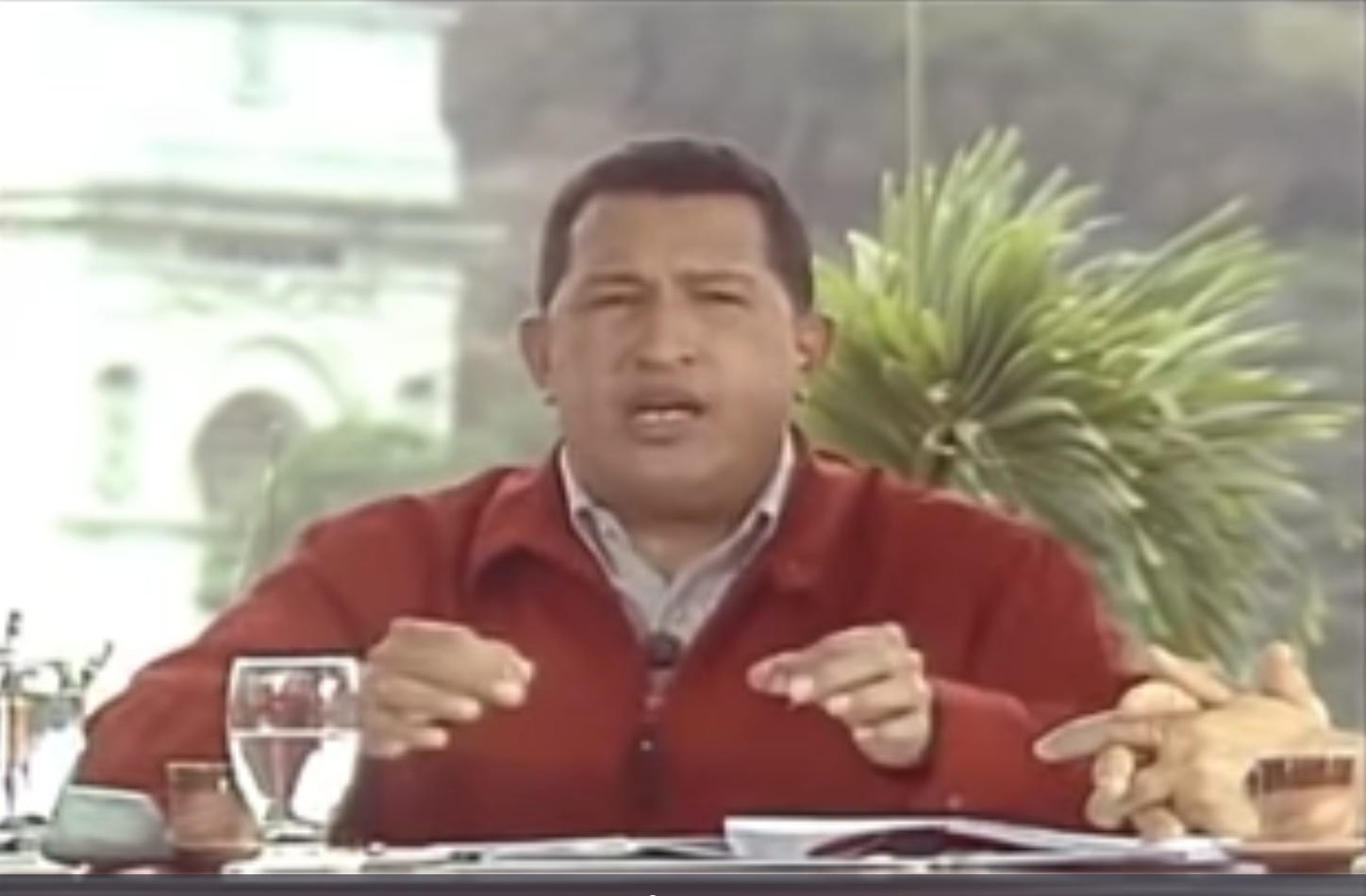
Government officials felt they were required to watch because Chávez sometimes issued instructions on his show.
Once he ordered ten battalions toward the Colombian border on live television. On another occasion, he announced that Venezuela would leave the IMF. Both decisions were later quietly reversed, but that only made the drama more riveting.
If the showboating sounds oddly familiar, here’s a major difference. Chávez also delivered on some promises that mattered enormously to his base.
During the great oil boom of the 2000s, Chávez poured petroleum revenue into social missions, which provided subsidized food, healthcare, education, and housing. Poverty fell dramatically. Poor Venezuelans who had spent generations watching oil wealth flow upward could now point to clinics, schools, and food programs.
This is why treating Chávez as nothing more than a buffoonish dictator misses the mechanism entirely.
He had genuine mass support.
He also had a familiar conviction that because he represented “the people,” institutions obstructing Hugo Chávez were, by a remarkable coincidence, obstructing the people.
The government became increasingly personalist. Chávez governed by decree more aggressively, pressured independent institutions, attacked critical media and tightened political control over PDVSA — Venezuela’s state-owned oil and natural gas company.
Then came 2002. Large anti-Chávez demonstrations erupted. Violence followed. Military officers detained Chávez and announced that he had resigned — something Chávez would insist he never did.
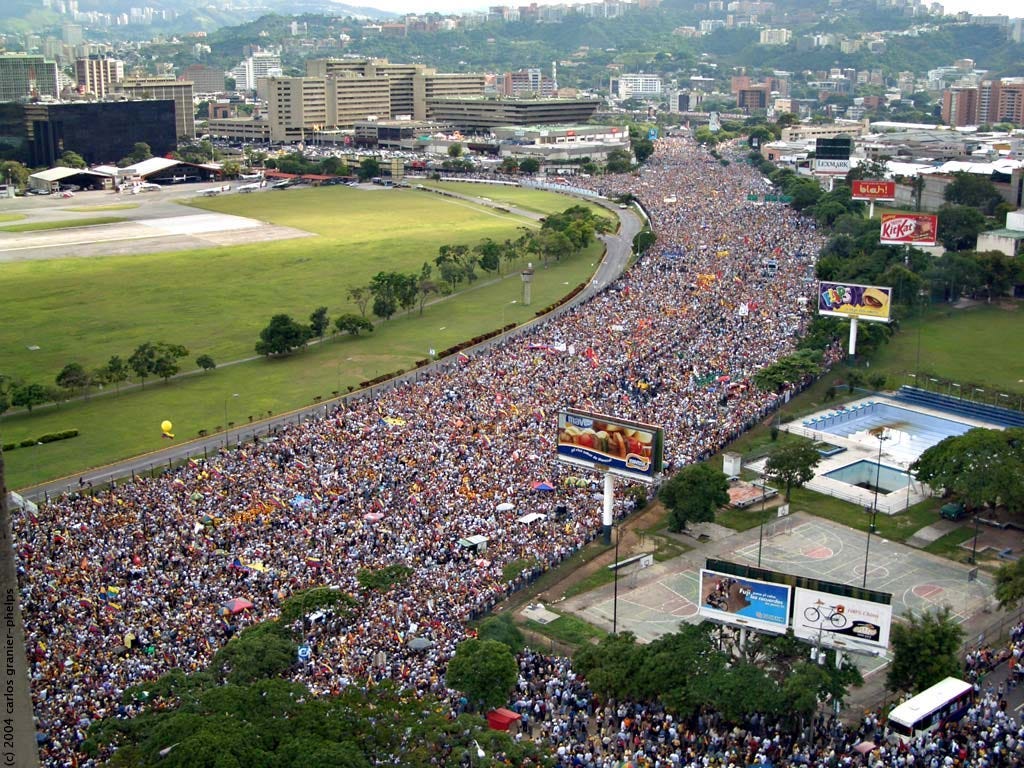

Businessman Pedro Carmona stepped in as interim president.
And then, in the proud tradition of men who mistake suddenly acquiring power for having acquired all the power, Carmona wildly overplayed his hand.
He dissolved the National Assembly, dismissed the Supreme Court, and suspended the Constitution. Apparently the plan for rescuing Venezuela from an increasingly authoritarian president was to become considerably more authoritarian before lunch.
This did not go over as planned.
Chávez supporters poured out of the barrios and headed toward the presidential palace. The military itself fractured, with units that had supported Chávez’s removal suddenly reconsidering what exactly they had signed up for. Loyal troops retook Miraflores. Carmona’s government collapsed almost as quickly as it had appeared.
Forty-seven hours after the coup began, a military helicopter flew Hugo Chávez back to the palace.
Now, I know what you are thinking. This was the Bush years. However, a later State Department inspector-general review found no evidence that the State Department or U.S. Embassy in Caracas planned, participated in, aided, or encouraged Chávez’s overthrow. Or so the story goes.
However, Washington’s initial response — and its obvious distaste for Chávez — gave Chávez something almost as politically useful as American meddling. Chávez had another American-shaped villain for the story.
Chávez wasn’t merely back.
He had survived a coup.
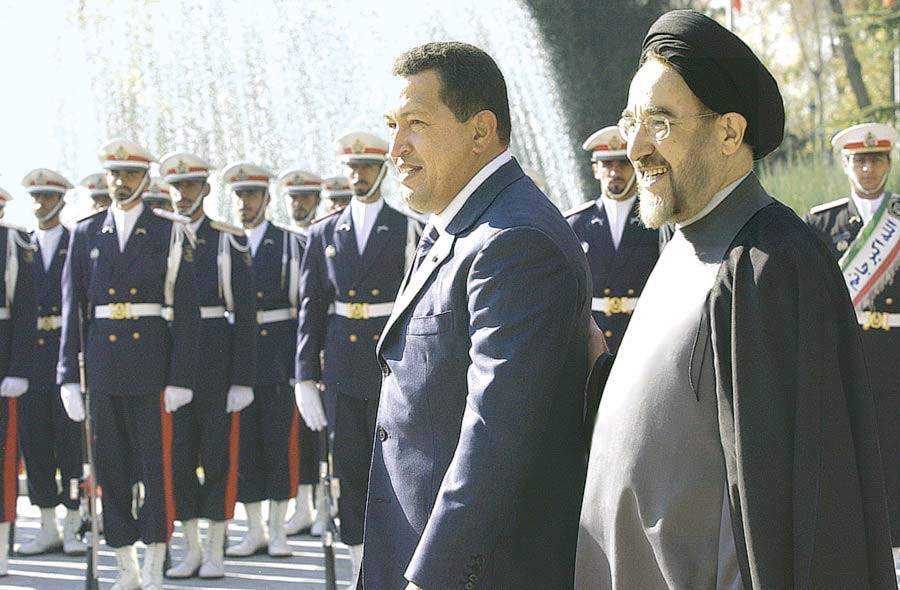

And for a man already inclined to believe history had cast him as the hero of a Venezuelan epic, forty-seven hours in political purgatory did very little to encourage humility.
Then PDVSA workers joined a long national strike. Chávez ultimately fired roughly 19,000 oil workers and tightened his command over the company.
This solved one political problem and created several petroleum ones.
PDVSA became increasingly subordinate to the revolutionary state. And with the fired employees out the door, technical expertise went with it.
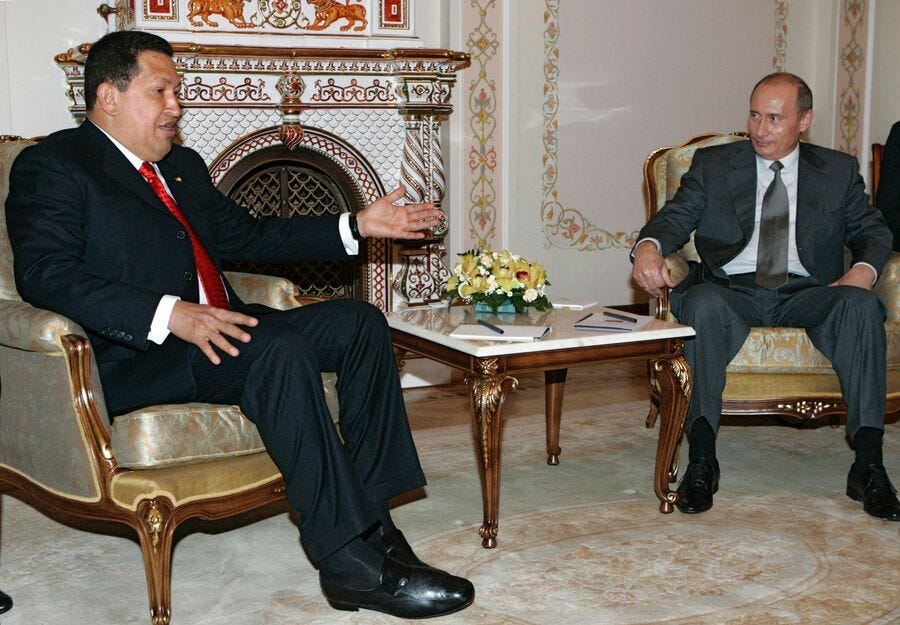

During this time, foreign producers were pushed into ventures requiring majority Venezuelan state control. Chevron stayed. ExxonMobil and ConocoPhillips left while they still had their shirts.
The great irony is that Chávez had campaigned against the idea that foreign companies should control Venezuela’s oil, and he meant it. Whatever one thinks of the man, handing Washington privileged control over Venezuelan petroleum is almost the precise opposite of the political identity he spent his life constructing. And don’t think Venezuelan people have forgotten Chávez’s mission.
Which brings us to the heir he chose.

The understudy inherits the theater
By 2012, Chávez had cancer, and he knew the show was ending. His chosen successor was Nicolás Maduro. Yep. That guy.
This choice can look baffling in retrospect. Other than the badass tracksuits, Maduro possessed approximately none of Chávez’s performing gifts. Chávez could turn an eight-hour television broadcast into political theater. Maduro often looks as though someone has asked the assistant regional manager to fill in while the charismatic founder is having surgery.
But Chávez did not necessarily want charisma. Maduro possessed something safer.
Loyalty.
So in December 2012, before leaving for treatment in Cuba, Chávez explicitly told supporters that if he could not continue, they should elect Maduro. The crown had been passed to the heir apparent.
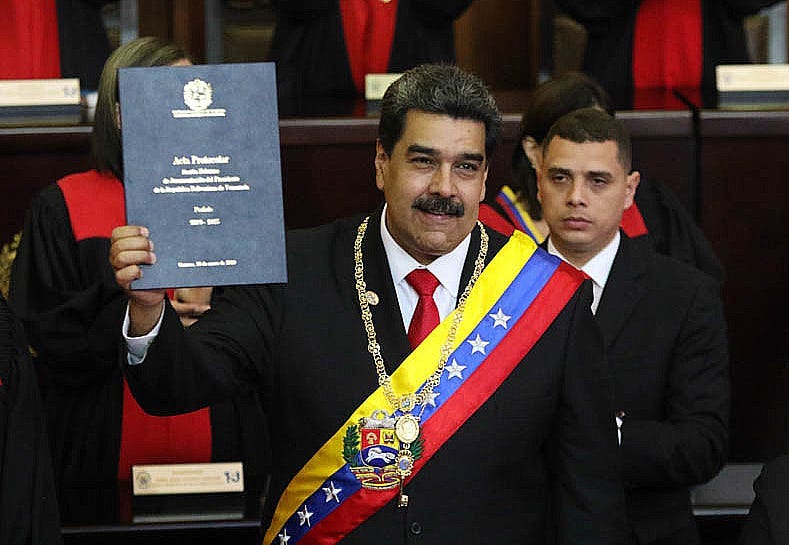
Then Chávez died. And Maduro inherited petroleum just as it was failing. Oil prices collapsed, production deteriorated, while currency controls and disastrous economic policies compounded the damage. Corruption spread. Later U.S. sanctions tightened the vise.
Predictably, the Venezuelan economy imploded.
Chávez distributed oil money while performing five hours of paternal intimacy on television. Maduro increasingly had less money to distribute and fewer people willing to watch the sequel.
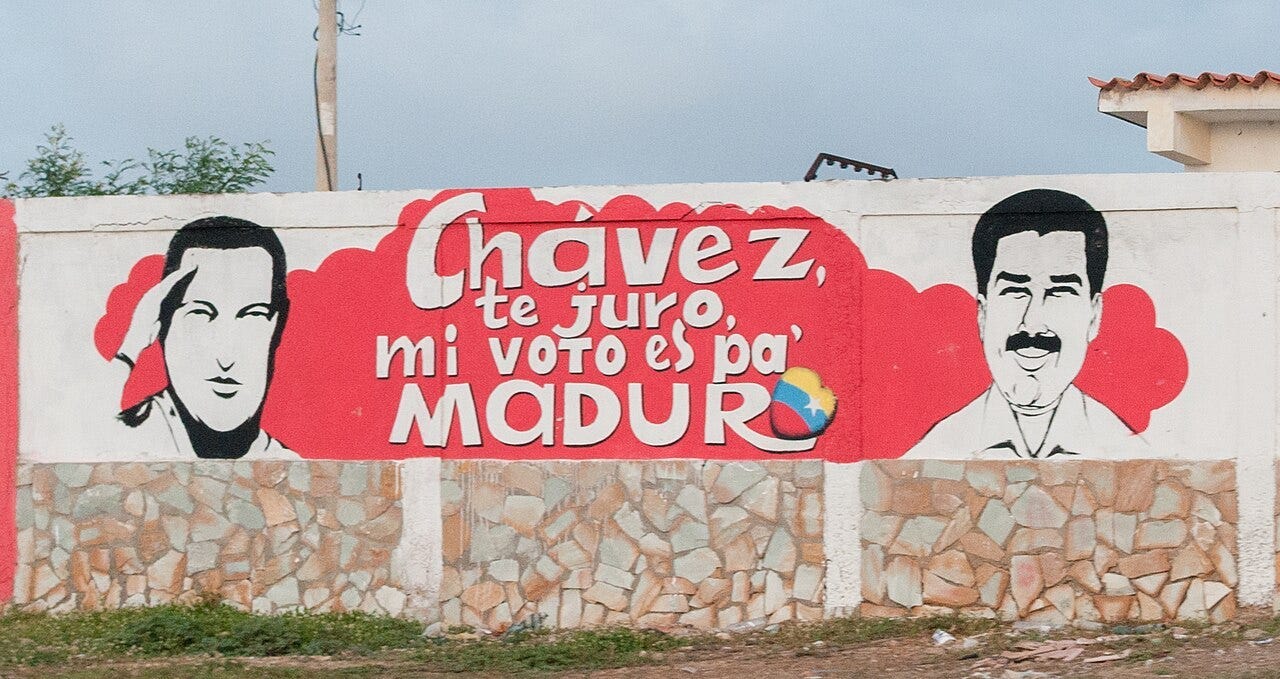

As support eroded, repression grew. Opposition figures were jailed, barred, or pushed out. Protesters were violently suppressed. Elections became increasingly manipulated. Millions fled the country.
The revolutionary promise had once been:
The oil belongs to you.
Now Venezuelans could reasonably ask where both the oil and the promise had gone. That’s when Alex Saab arrived to answer that question.
The fixers
If “resource curse” still sounds too abstract, meet Alex Saab.
Saab was a Colombian businessman who became one of Maduro’s most important fixers and contractors. During the economic catastrophe, Maduro’s government created CLAP — a program distributing boxes of basic food to Venezuelan families who desperately needed it.
However, investigative journalists at Armando.info traced overpriced, poor-quality food contracts to companies connected with Saab. One huge contract worked out to roughly $34 per box for goods reporters estimated they could get for less than $20. Some powdered “milk” was so nutritionally dubious that a researcher said it could not really be classified as milk.
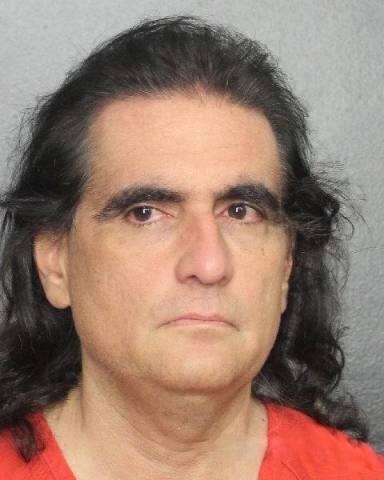

People were hungry, and the government controlled the food program. Politically connected businessmen controlled lucrative contracts feeding the program. Money accumulated around the gate.
There is your rentier state.
Saab was later arrested and extradited to the United States. The Biden administration released him in a 2023 prisoner exchange that brought detained Americans home and formed part of a broader attempt to coax Maduro toward a more credible election.
Now, one does not want to condemn getting American hostages home. However, the Biden administration should have anticipated the consequences of putting its head in the tiger’s mouth.
Maduro made the newly freed Saab a cabinet minister.
And Venezuelans once again found themselves staring at a Morton’s fork. Insiders promised that state control would protect the country’s wealth. Outsiders promised that external pressure would rescue the country from the insiders. And ordinary people waited for the oil under their feet to produce something resembling normal life.
Then Trump arrived.
A more corrupt gatekeeper appears
The Trump regime dramatically escalated pressure on Maduro in 2025. American forces began destroying suspected drug-smuggling vessels in the Caribbean. The Trump regime emphasized narcotics and “narco-terrorism.”
But that’s not what on-the-ground reporting found. AP reporter Joshua Goodman told FRONTLINE that the U.S.’s true strategic objective was not arresting drug lords. It was to pressure Maduro into leaving power.
Then in January 2026, American forces bombed Venezuela (without the approval of Congress), captured Maduro, and brought him to the United States to face charges. In May 2026, Alex Saab was deported to the U.S. to await money laundering charges.
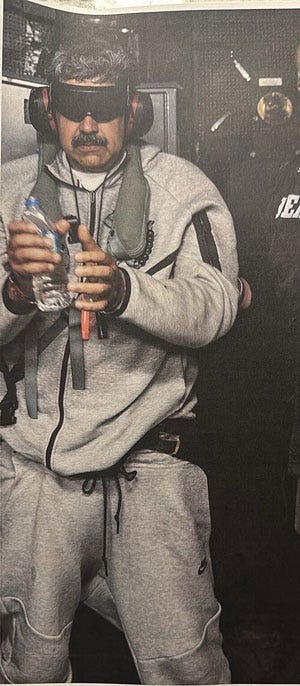

And Venezuelans reacted exactly as people with Venezuela’s history might react. Which is to say, it’s complicated.
Some celebrated. Of course they did. Maduro had presided over repression, economic catastrophe and a political system that had driven millions of Venezuelans abroad.
Others saw the U.S.’s dominant military power deciding Venezuela’s political future and understandably found the sight less comforting.
Many appear to inhabit both emotional worlds at once. Mostly because a Venezuelan can hate chavismo and still believe Venezuelan oil belongs to Venezuelans.
There is nothing contradictory about wanting Maduro gone and not wanting a convicted felon President to decide who gets your petroleum. You can despise chavista corruption and distrust Washington. You can believe Chávez wrecked institutions and still think he was right that Venezuela’s national inheritance should not become somebody else’s prize.
And yes, you can want U.S. intervention because life was almost unimaginably corrupt under Maduro. And you also can remain suspicious of U.S. intervention because practically every powerful person who has promised to save Venezuela has eventually exploited them.
We do not get to assign Venezuelans the morally correct emotion. History has already given them enough options.
After Maduro’s capture, his vice president Delcy Rodríguez became interim president. Then Washington began exercising extraordinary leverage over the petroleum sector while Rodríguez loosened Chávez-era restrictions to attract private investment.
Recently, Trump announced his giant August oil deal.
Suddenly, we are back at the gate.
Tomorrow, in Part Two, we’ll ask why some countries turned oil into lasting prosperity (hint: Norway) while others discovered that buried treasure can come with a very expensive curse.

Carlyn Beccia is an award-winning author and illustrator of 13 books. The Grim Historian is a reader-supported publication. To receive new posts and support my work, consider becoming a free or paid subscriber.
This is outstanding, incredible work.
Until reading this magnificently researched piece, I thought the Circus Clown unilaterally started the Iran War just to distract from Jane Doe No 4.
Now I realize the war was just another pathetic resource grab to personally line the pockets of the single most avaricious and grifting motherfucker to ever occupy the White House.